
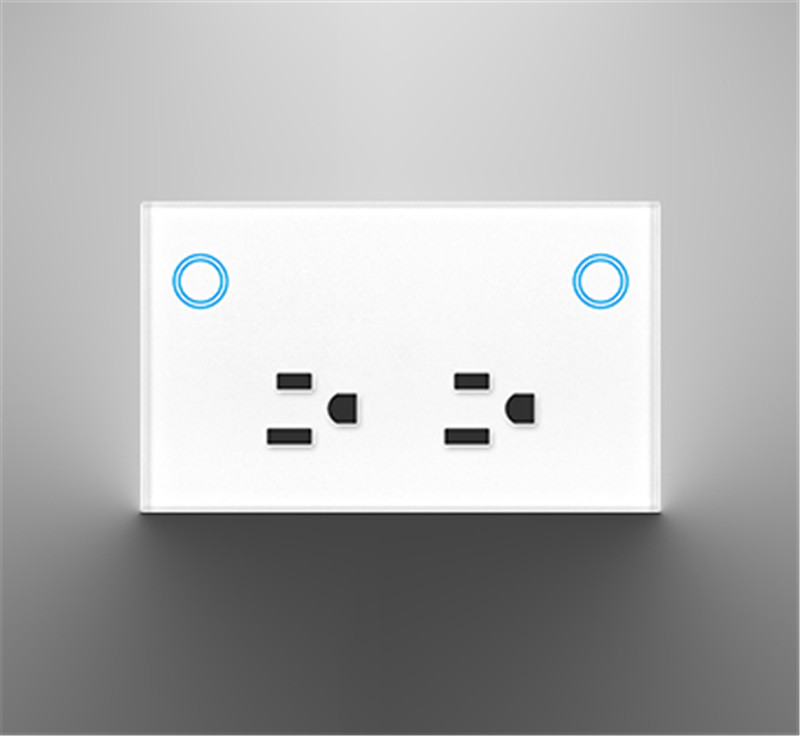
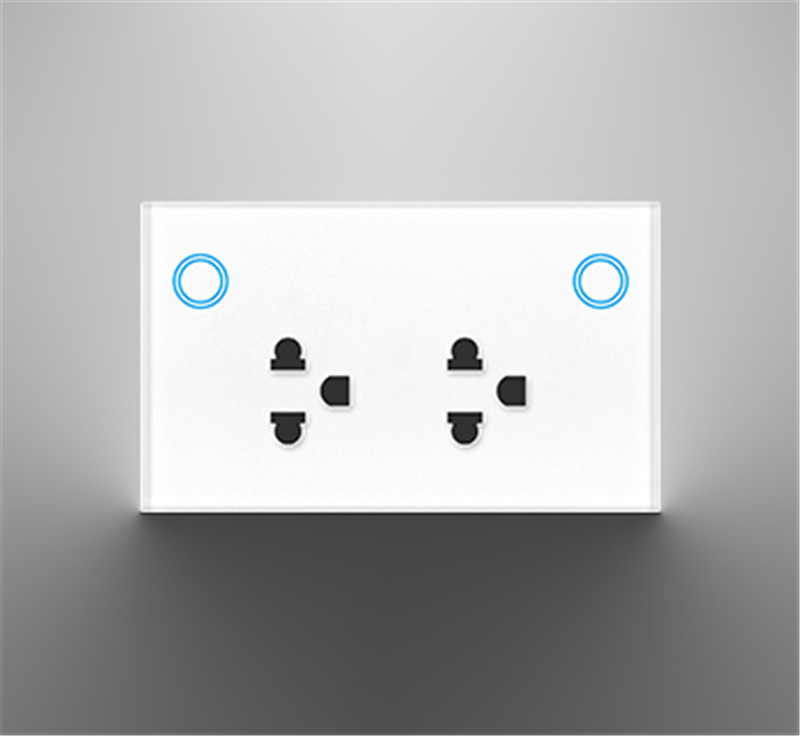
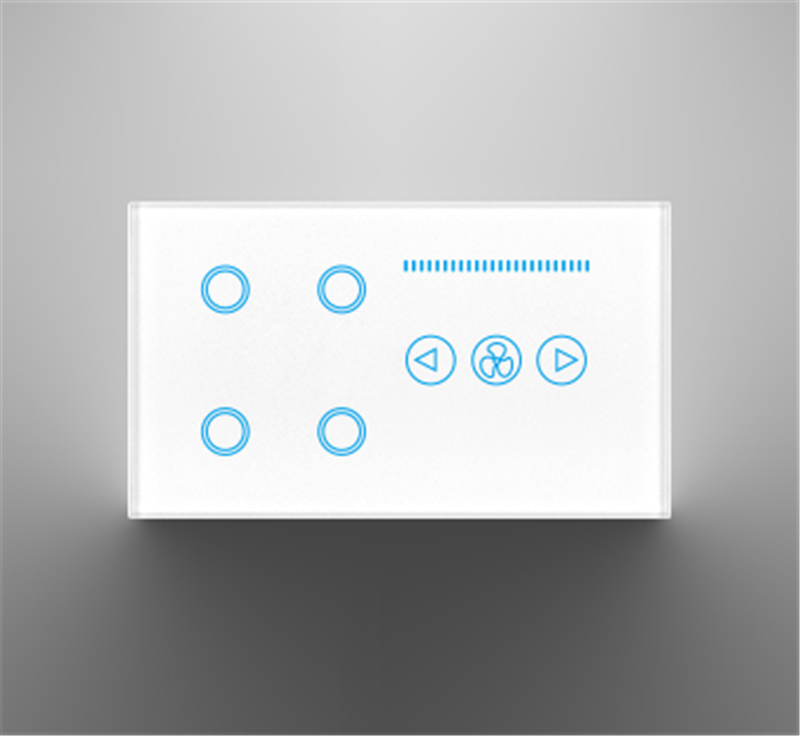
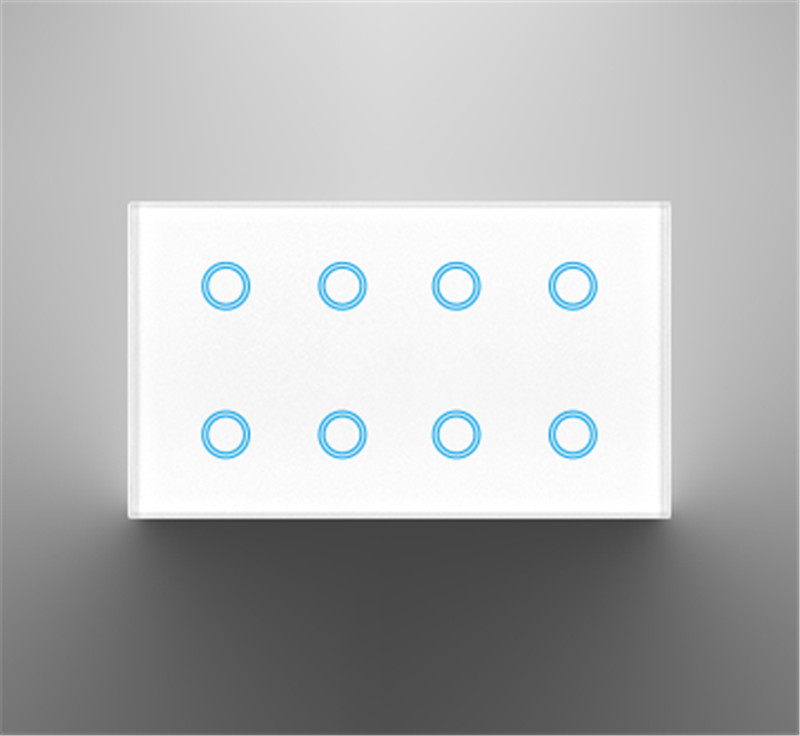
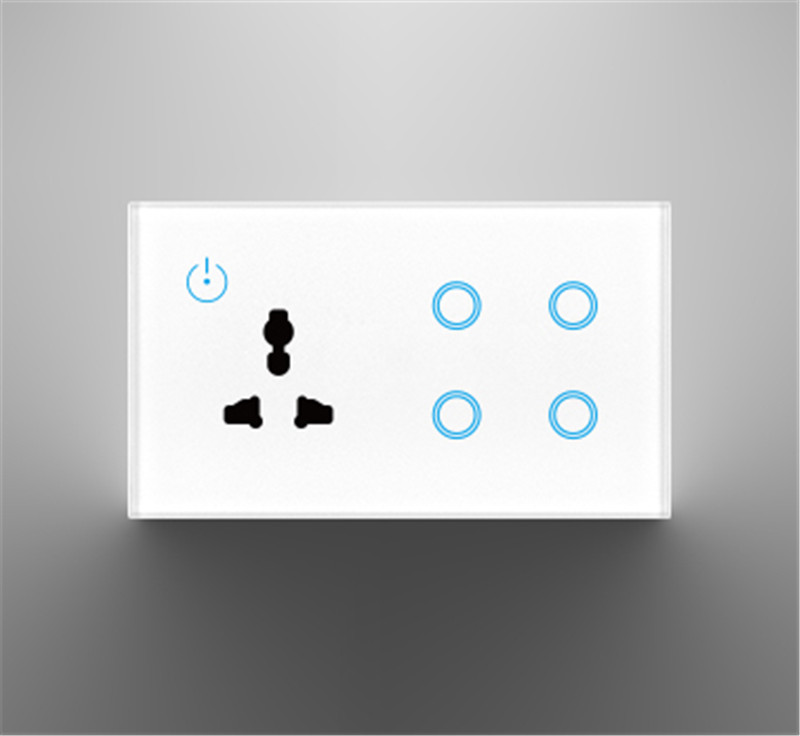

In the age of the Internet of Things (IoT), our homes are becoming increasingly intelligent. From smart speakers that play our favorite tunes on command to robotic vacuums that clean while we sleep, technology is seamlessly integrating into our daily lives. However, one of the most fundamental, versatile, and often overlooked components of this digital ecosystem is the smart wall socket.
Far more than just a power outlet, a smart wall socket is a gateway to energy efficiency, enhanced convenience, and peace of mind. It transforms any standard electrical appliance into a smart device, offering control at your fingertips—or even at the sound of your voice.
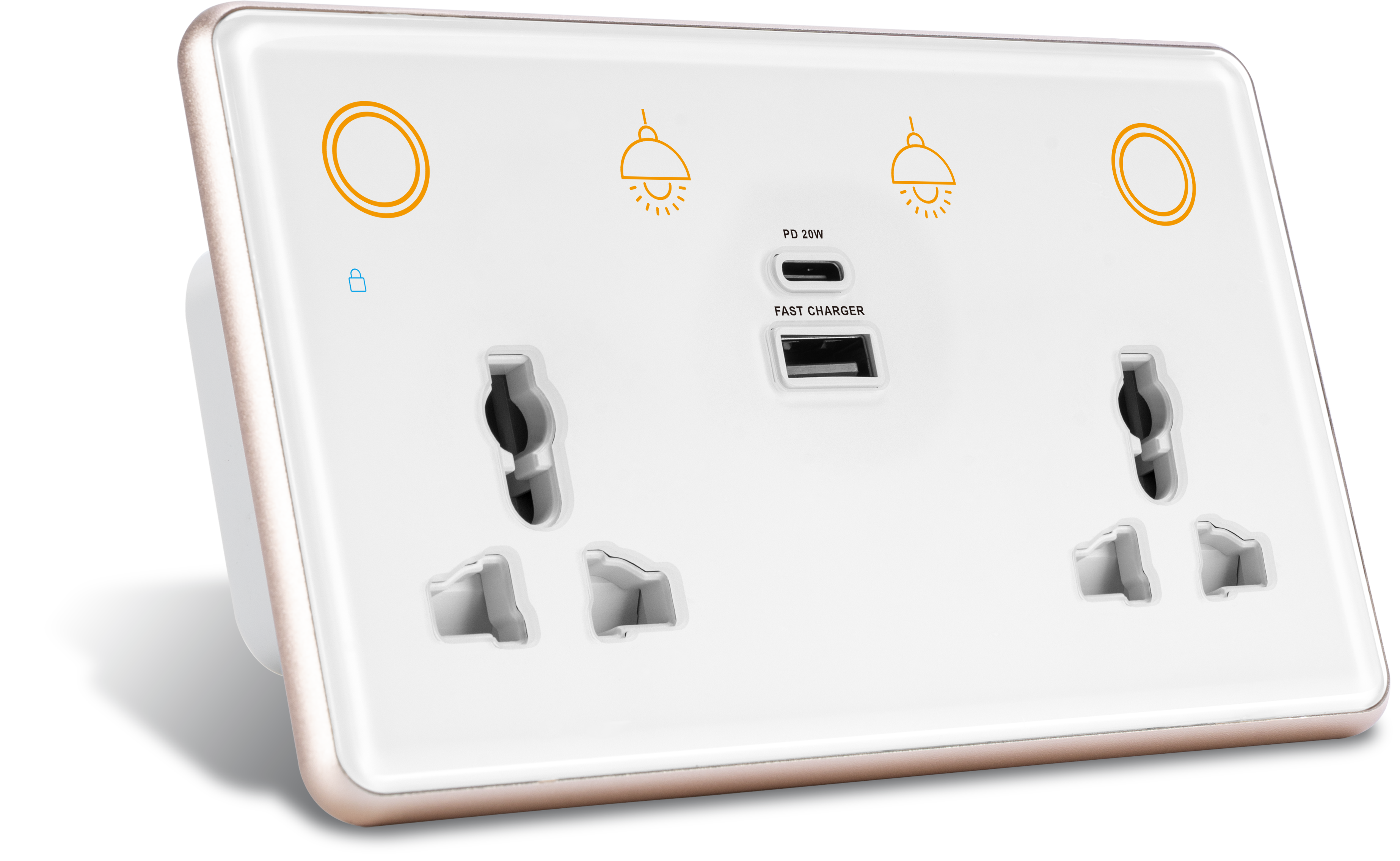
What is a Smart Wall Socket?
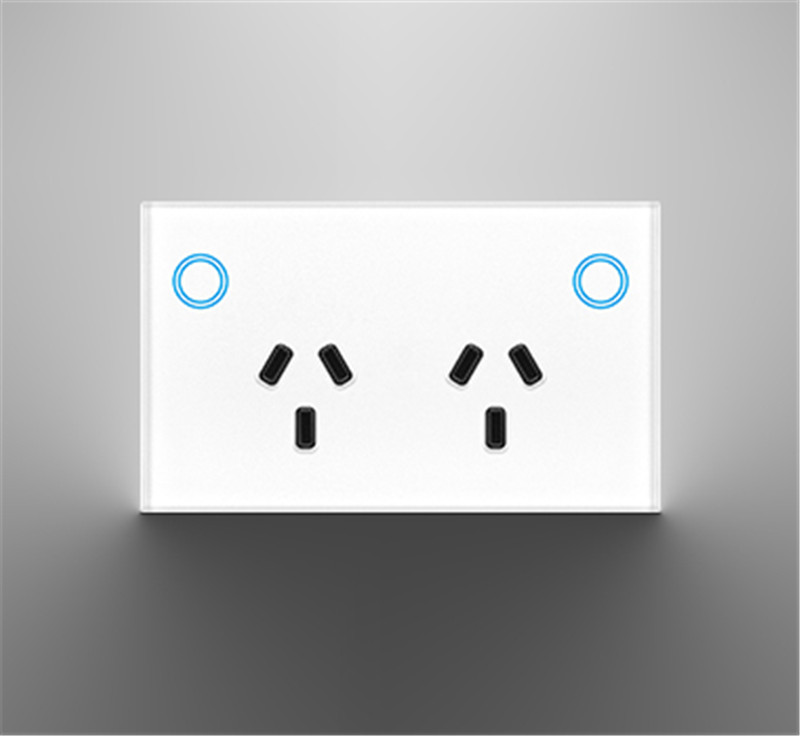
At its core, a smart wall socket replaces your standard in-wall electrical outlet. However, it is equipped with Wi-Fi, Bluetooth, or Zigbee connectivity that allows it to communicate with a central hub, a smartphone app, or a voice assistant. This connectivity enables you to remotely control the power flowing to any device plugged into it.
While there are plug-in adapters that sit between your device and the wall, an in-wall smart socket offers a cleaner, more permanent solution. It integrates directly with your home’s electrical system and often includes features like energy monitoring that the simpler adapters lack.
Key Features and Capabilities
The modern smart wall socket is packed with features designed to make your life easier:
Remote Control: The foundational feature. You can turn any plugged-in device on or off from anywhere in the world via a dedicated app on your smartphone. Forgot to turn off your curling iron or straightener? No problem. Need to turn on a lamp to make it look like you’re home while on vacation? Done in a second.
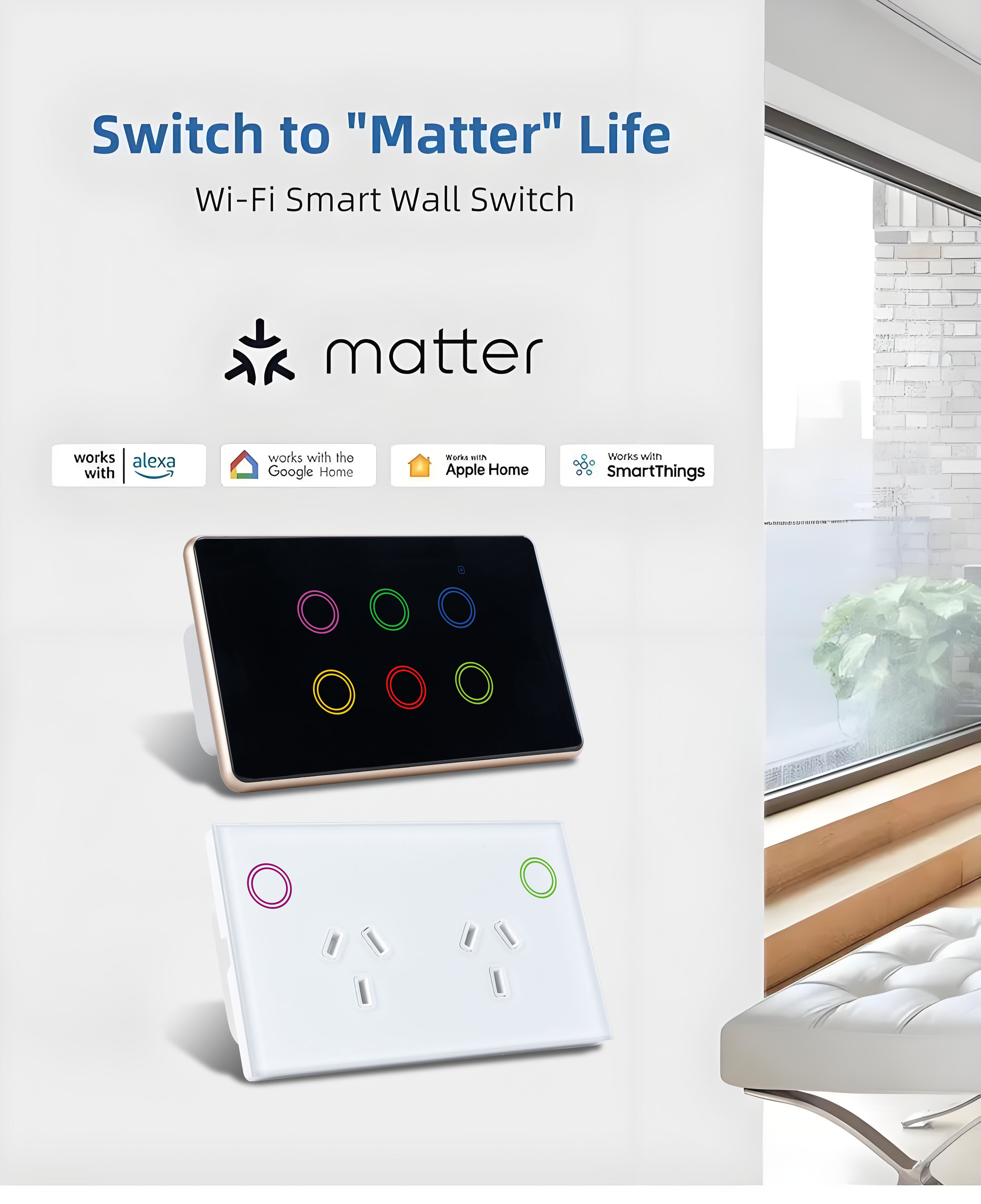
Voice Control: Smart sockets are universally compatible with major voice assistants like Amazon Alexa, Google Assistant, and Apple HomeKit. This allows for hands-free operation. Simply say, “Alexa, turn on the living room fan,” or “Hey Google, turn off the coffee maker,” and it will be done.
Scheduling and Timers: This feature is a game-changer for automation. You can set schedules for devices to turn on and off at specific times. Imagine your bedroom lamp gradually dimming to wake you up in the morning, or your exterior lights automatically turning on at dusk and off at dawn. Timers allow you to set a device to run for a certain period and then shut off automatically—perfect for a garden hose or a holiday light display.
Energy Monitoring: Many smart sockets come with built-in energy monitoring. They track the power consumption of the connected device and provide detailed reports on energy usage, cost, and historical data. This insight helps you identify “energy vampires”—devices that consume power even when turned off—and adjust your habits to save money on your electricity bill.
“Away Mode” for Security: This feature mimics occupancy by randomly turning lights and other devices on and off, creating the illusion that someone is home. It’s a simple yet effective deterrent against potential intruders.
The Significant Benefits
Integrating smart wall sockets into your home provides a wealth of advantages:
Unmatched Convenience: You can control appliances from the comfort of your couch or from your office on the other side of town. It eliminates the daily grind of walking around the house to switch things off.
Energy and Cost Savings: By enabling you to cut standby power and run high-consumption devices only when needed, smart sockets can contribute to a noticeable reduction in your energy bills. Energy monitoring also empowers you to make smarter decisions about your appliance usage.
Enhanced Home Safety: Smart sockets can help prevent common household hazards. You can schedule heaters or irons to automatically turn off, or check their status remotely to confirm they are not still on. Some high-end models even feature overheat protection to prevent electrical fires.
Accessibility: For the elderly or people with mobility issues, the ability to control lights, fans, and other appliances via voice command or a phone app provides greater independence and safety.
Choosing the Right Smart Wall Socket
Before purchasing, consider these factors:
1.Connectivity: Do you have a strong 2.4GHz Wi-Fi network throughout your home? While most sockets use this frequency, some newer models support 5GHz. If you have a smart home hub (like one for Zigbee or Z-Wave), you might opt for a GPO that uses that protocol for a more stable, lower-power mesh network.
2.Wattage and Amperage: Ensure the power point is rated for the appliances you intend to plug in. A heavy-duty appliance like a space heater or air conditioner requires a higher amperage (usually 15A) than a small lamp or phone charger.
3.Installation: Installing an in-wall smart socket involves working with household electricity. If you are not comfortable with electrical work, it is strongly recommended to hire a qualified electrician for installation.
4.App and Ecosystem: Check the manufacturer’s app. Is it user-friendly? Does it integrate with your existing smart home ecosystem (Alexa, Google Home, Apple HomeKit)? A seamless experience is crucial for long-term satisfaction.
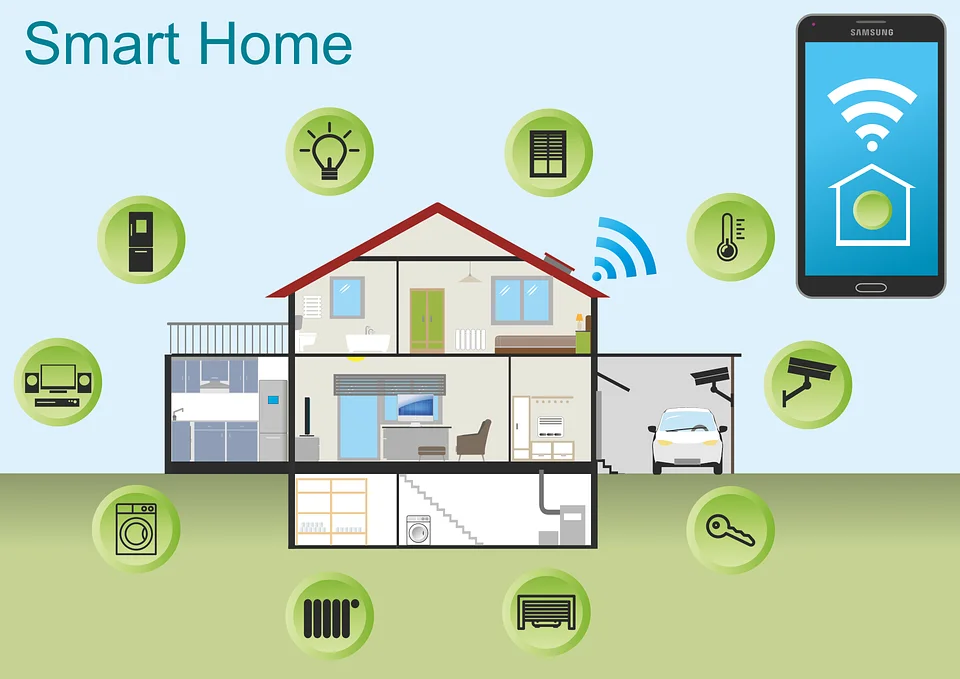
The Future is Intelligent
As smart home technology continues to evolve, the humble wall socket is becoming a central node in our connected homes. With the rise of AI and machine learning, future sockets may learn our habits and adjust our power usage automatically, optimizing for both comfort and efficiency.
The smart wall socket is a testament to how a simple, everyday item can be revolutionized with a bit of technology. It offers an accessible, affordable, and highly effective entry point into the smart home world, providing immediate benefits that are both tangible and transformative. It’s time to look beyond the light bulb and give the unsung hero of the smart home the attention it deserves.
Post time: Jul-22-2026


