

The Smart Home Showdown: Zigbee, Wi-Fi and the Unifying Force of Matter
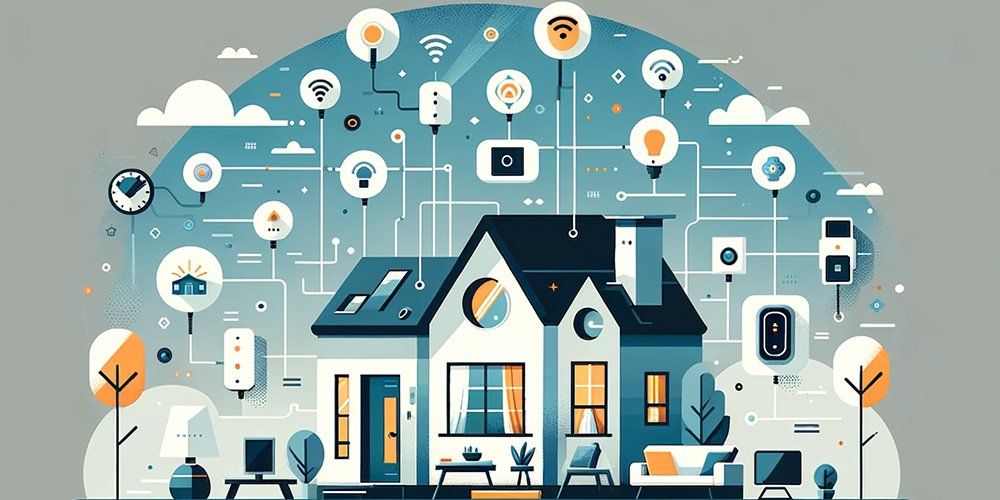
If you’re building a smart home, you’ve likely encountered a sea of devices speaking different languages. Your Wi-Fi smart plugs may not talk to your Zigbee light bulbs, creating a confusing and fragmented experience. Enter Matter, a new, open-source standard poised to bring harmony to the connected home. Here’s a breakdown of how these technologies differ and where Matter fits in.
The Lay of the Land: Zigbee vs. Wi-Fi
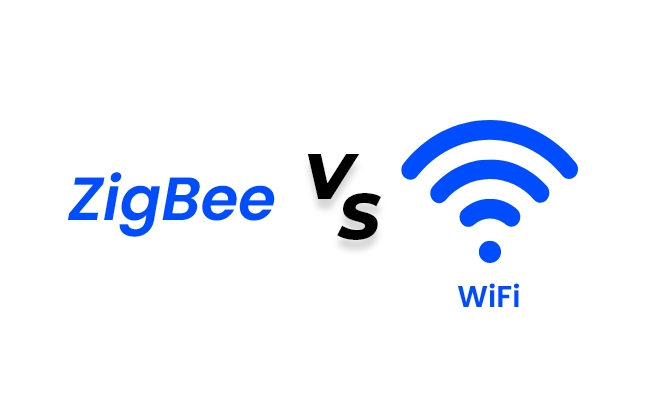
At their core, Zigbee and Wi-Fi are two distinct wireless communication protocols that your smart devices use to connect to each other and the internet.
Wi-Fi (Wireless Fidelity) is the familiar technology that provides high-speed internet access to your laptops, smartphones, and a growing number of smart home gadgets.
Strengths: High bandwidth, making it ideal for devices that need to transfer a lot of data, like security cameras and smart speakers. It’s also ubiquitous, with most homes already having a robust Wi-Fi network.
Weaknesses: Wi-Fi can be power-hungry, which is why most Wi-Fi smart devices need to be plugged into a constant power source. Each device also connects directly to your router in a “star” network topology. Too many devices can congest your network, potentially slowing everything down.
Zigbee is a low-power, low-data-rate wireless protocol specifically designed for smart home and IoT devices.
Strengths: Its primary advantage is its low power consumption, allowing devices like battery-powered sensors and light bulbs to operate for months or even years on a single battery. Zigbee creates a “mesh” network where devices can relay signals to each other. This extends the range and improves the reliability of the network; the more Zigbee devices you have, the stronger the network becomes.
Weaknesses: Zigbee devices typically require a dedicated hub or bridge to connect to your home’s Wi-Fi network and the internet. Historically, there have been interoperability issues between Zigbee products from different manufacturers.
Enter Matter: The Universal Translator

Matter is not a new wireless protocol. Instead, think of it as a universal language that smart home devices can use to communicate with each other, regardless of the manufacturer or the underlying network technology they use. Developed by a collaboration of major tech companies including Google, Apple, Amazon, and the Connectivity Standards Alliance (which also oversees Zigbee), Matter aims to solve the biggest headache of the smart home: a lack of interoperability.
Here’s how Matter works and what makes it different:
An Application Layer: Matter sits on top of existing network protocols. The first version of Matter runs over Wi-Fi and Thread, a low-power mesh networking protocol very similar to Zigbee. This means Matter-certified devices can be either Wi-Fi-based or Thread-based.
Seamless Interoperability: The core promise of Matter is that any device bearing the Matter logo will work with any Matter-certified controller (like a smart speaker or hub) and any Matter-compatible app. This breaks down the walled gardens of different ecosystems (like Apple HomeKit, Google Home, and Amazon Alexa), allowing you to mix and match devices from various brands with ease.
Local Control: Matter prioritizes local communication within your home network. This means that even if your internet connection goes down, you can still control your Matter devices. This also leads to faster response times as commands don’t have to travel to a cloud server and back.
Simplified Setup: Matter is designed to make adding new devices to your smart home as simple as scanning a QR code.
Security: Matter incorporates robust security standards to protect your smart home from unauthorized access.
What This Means for Your Existing Devices
The introduction of Matter doesn’t mean your current Zigbee and Wi-Fi devices are obsolete.
Wi-Fi Devices: Many existing Wi-Fi-based smart home devices can be updated to support Matter through a simple firmware update from the manufacturer.
Zigbee Devices: Your existing Zigbee devices can be integrated into a Matter ecosystem through a bridge. The manufacturer of your Zigbee hub (like those from Philips Hue or Aqara) can update its firmware to act as a Matter bridge. This allows the hub to “translate” between the Zigbee protocol and the Matter language, making your Zigbee devices visible and controllable within the broader Matter network.
In essence, you can have a smart home that utilizes the strengths of both Wi-Fi and a low-power mesh network (via Thread, which is conceptually the successor to Zigbee in the Matter world), all unified and communicating seamlessly under the banner of Matter. The key takeaway is that when you’re buying new smart home devices, looking for the Matter logo will ensure they work together, simplifying your setup and future-proofing your connected home.
Post time: Mar-18-2026


